Notes from building org-scale memory.
Engineering deep-dives, product decisions, and field reports from teams shipping with Cognia.
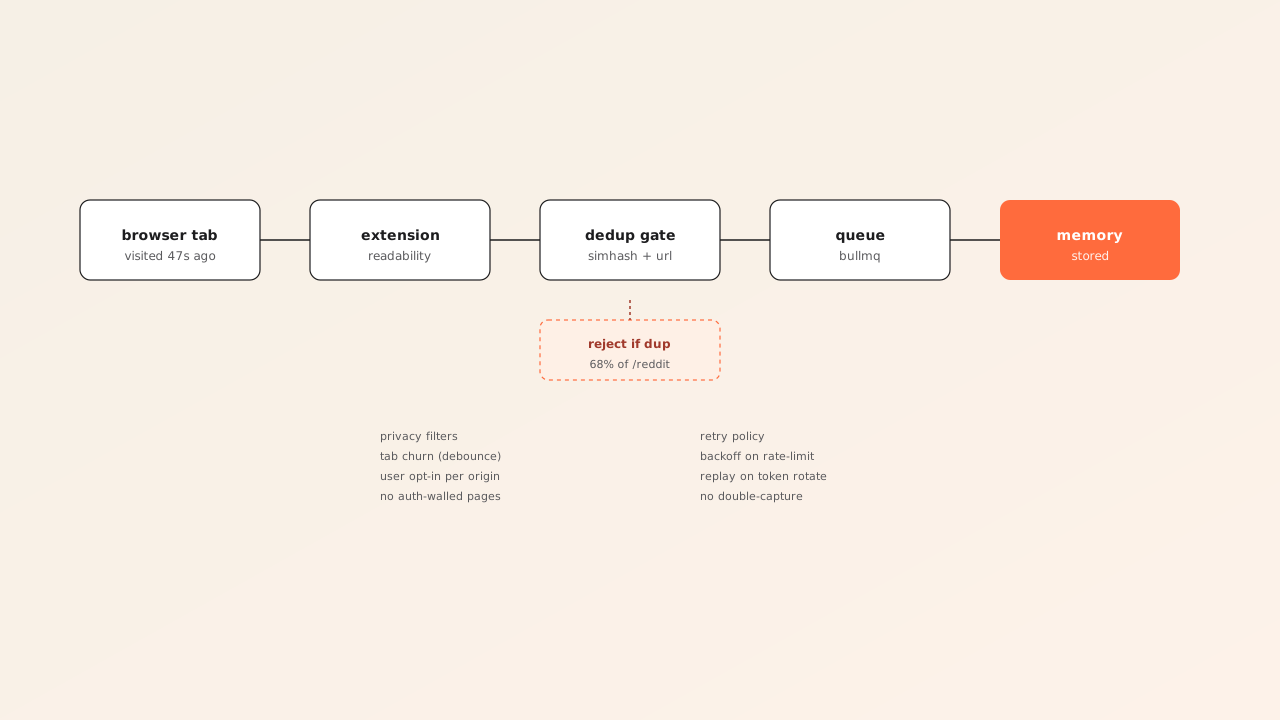
Building a browser extension capture pipeline: tab churn, dedup, and privacy
A browser extension is the highest-leverage capture surface in org memory. It is also the easiest place to build a system that misbehaves. The architecture we ended up with, and the mistakes that shaped it.
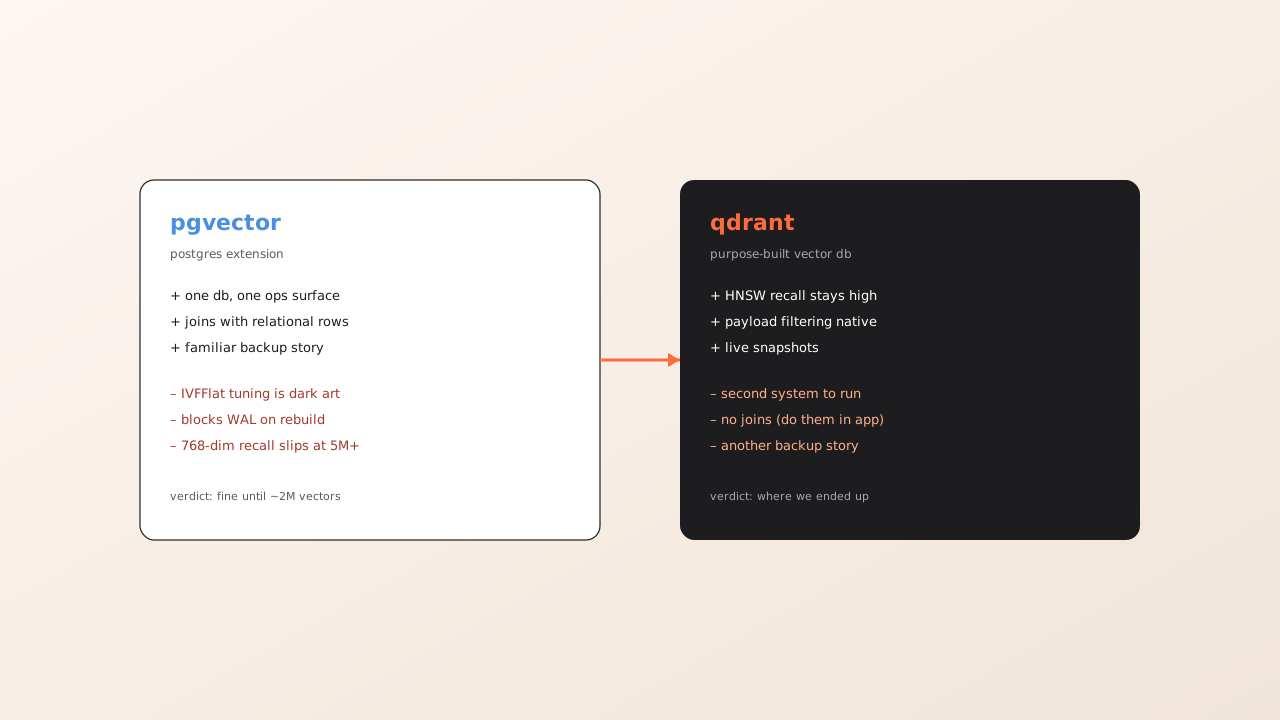
Why we moved off pgvector and onto Qdrant (and when you shouldn't)
We started with pgvector. Three months later we ripped it out for Qdrant. Why, at what scale the trade-offs flipped, and the migration shape that worked.
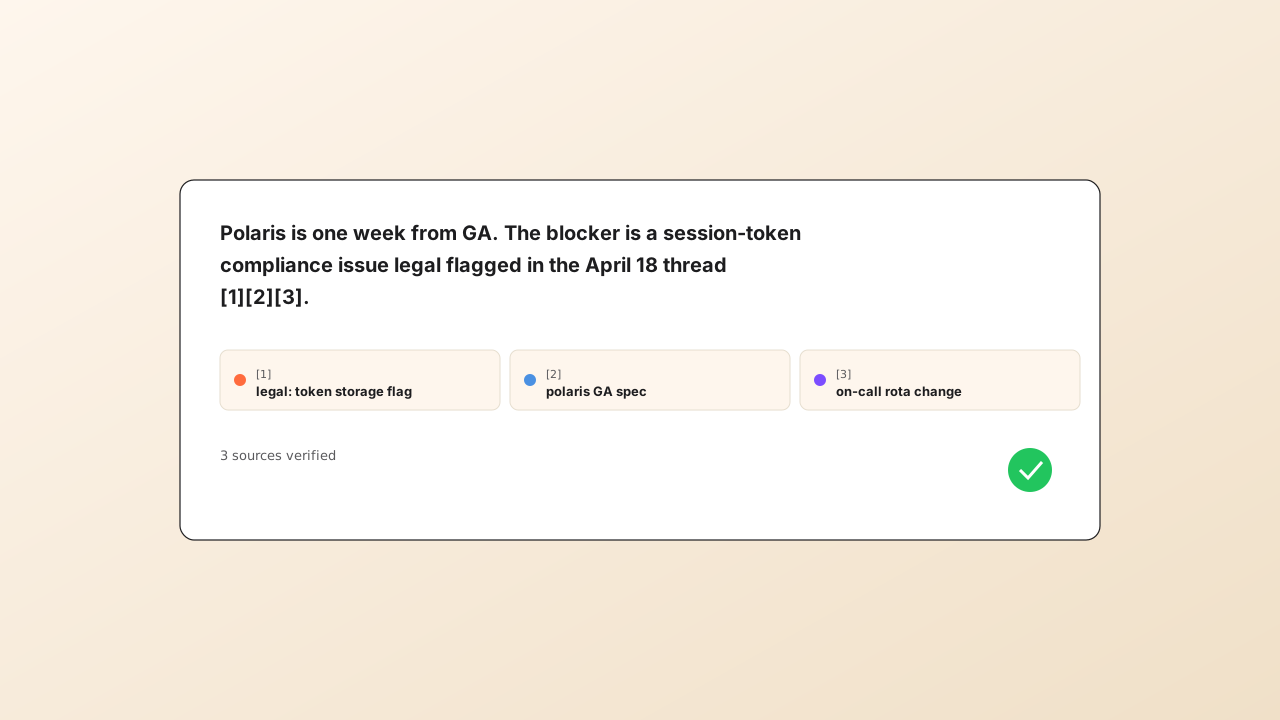
Citations or it didn't happen: making AI answers verifiable
If your AI product gives users an answer without showing them where it came from, you've built a hallucination machine. What good citations look like, why most products' citations are inadequate, and what we built underneath ours.
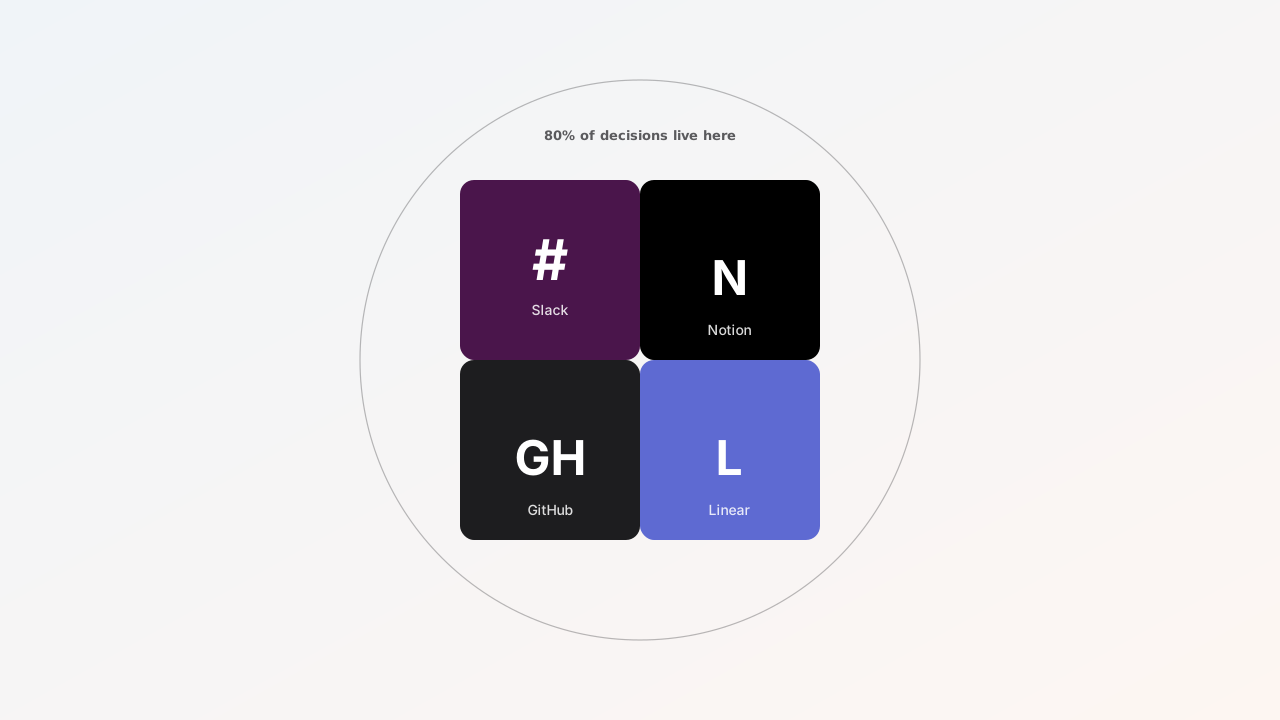
The four connectors that cover 80% of your team's decisions
Connector counts are vanity metrics. The honest version of "what does this product cover?" looks at where decisions actually happen for your team. For most teams, that's four tools.
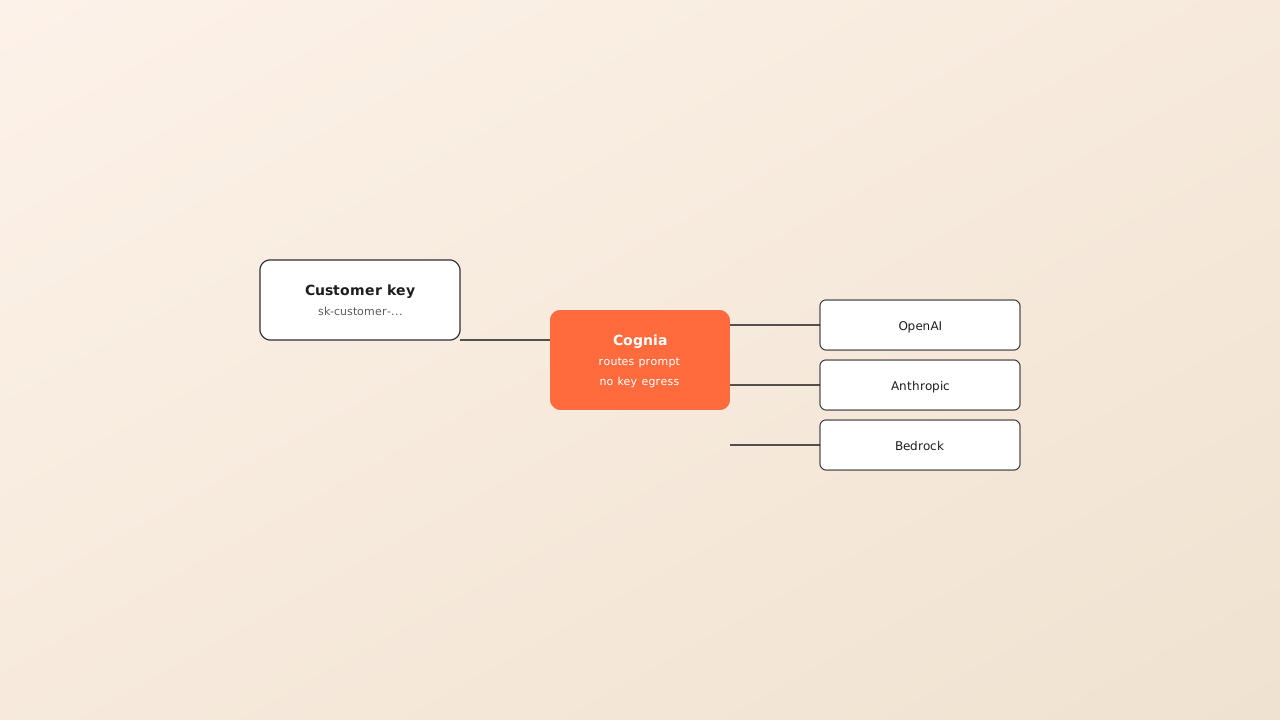
BYOK LLM, end to end: routing every prompt through your customer's key
Bring-your-own-key is not a feature flag. It is a different shape of system. The plumbing problem, the per-provider quirks, and what we would do differently next time.
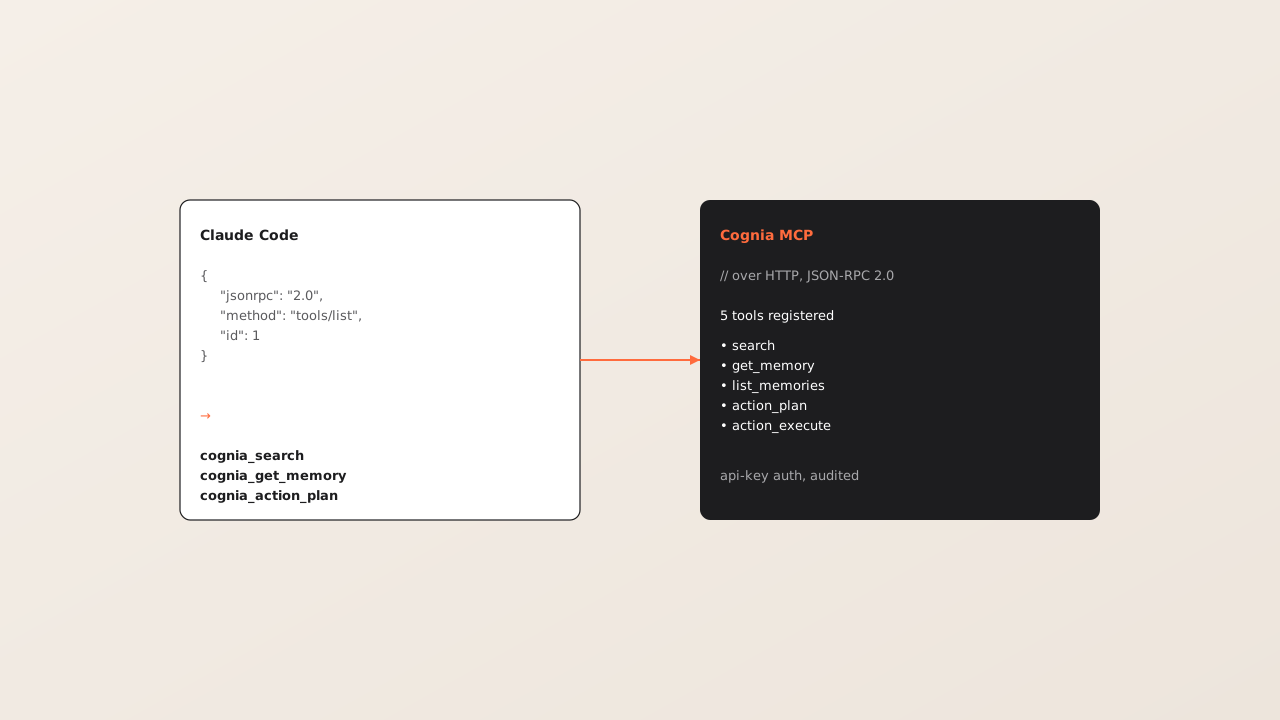
What we got wrong building an MCP server (and what the spec leaves to you)
A full retrospective on shipping an MCP server when the spec was still in flux. Auth, errors, schemas, the things we built that the spec did not cover, and what we would do differently.
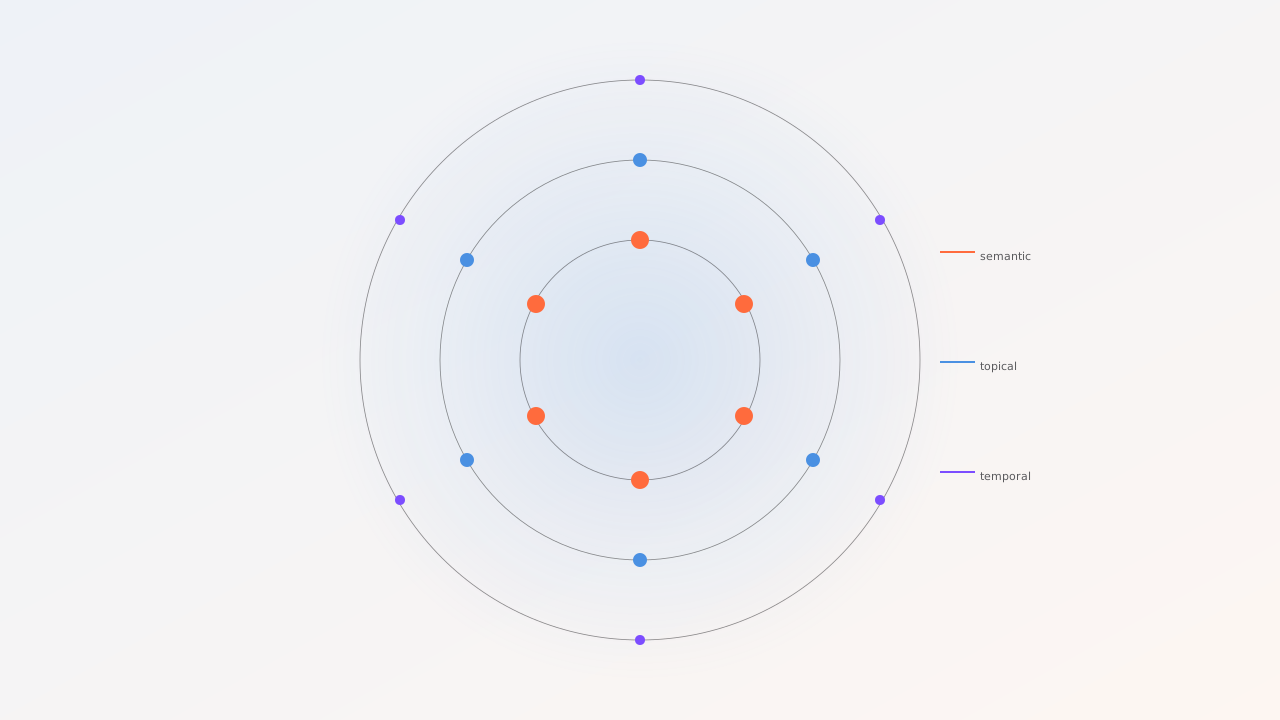
Building a memory mesh: hybrid semantic + topical + temporal relations
A vector index gets you 60% of the way to org memory. The other 40% is the layer that knows two memories about the same incident are related, even if their words don't overlap.
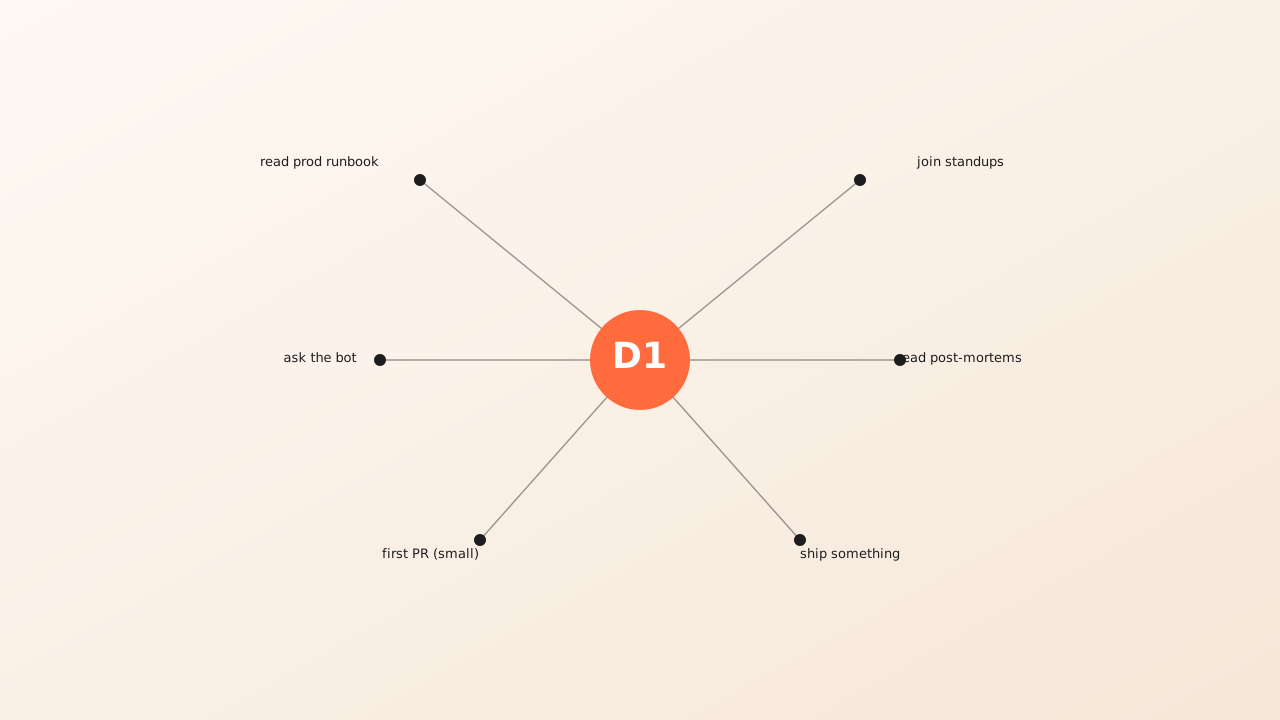
Onboarding engineers in days, not months: a context-first playbook
A four-day playbook for ramping new hires that skips the wiki and reads the recent past instead. What you need for it to work, and what we'd skip.
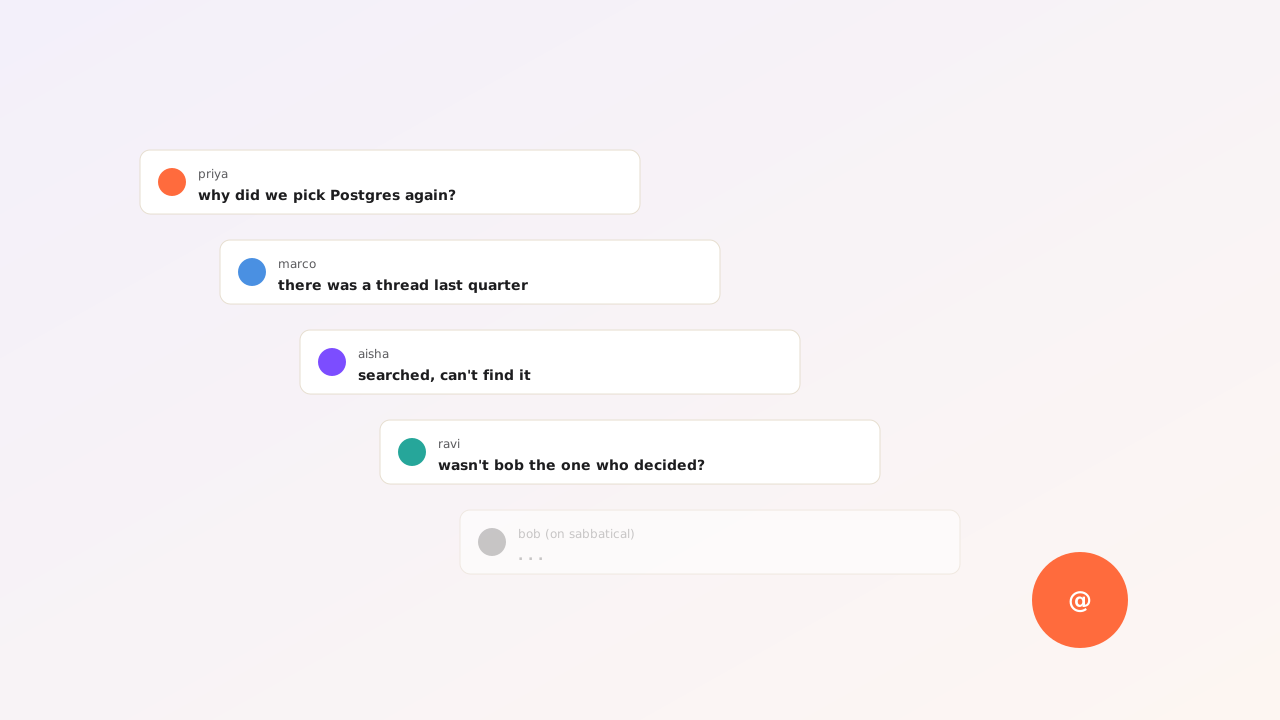
Stop losing context in Slack threads: how to capture decisions where they actually happen
Your team makes decisions in Slack and loses them in Slack. Four patterns that actually stick: capture-on-mention, emoji-capture, DM-search, channel summaries. Plus the one we'd skip.
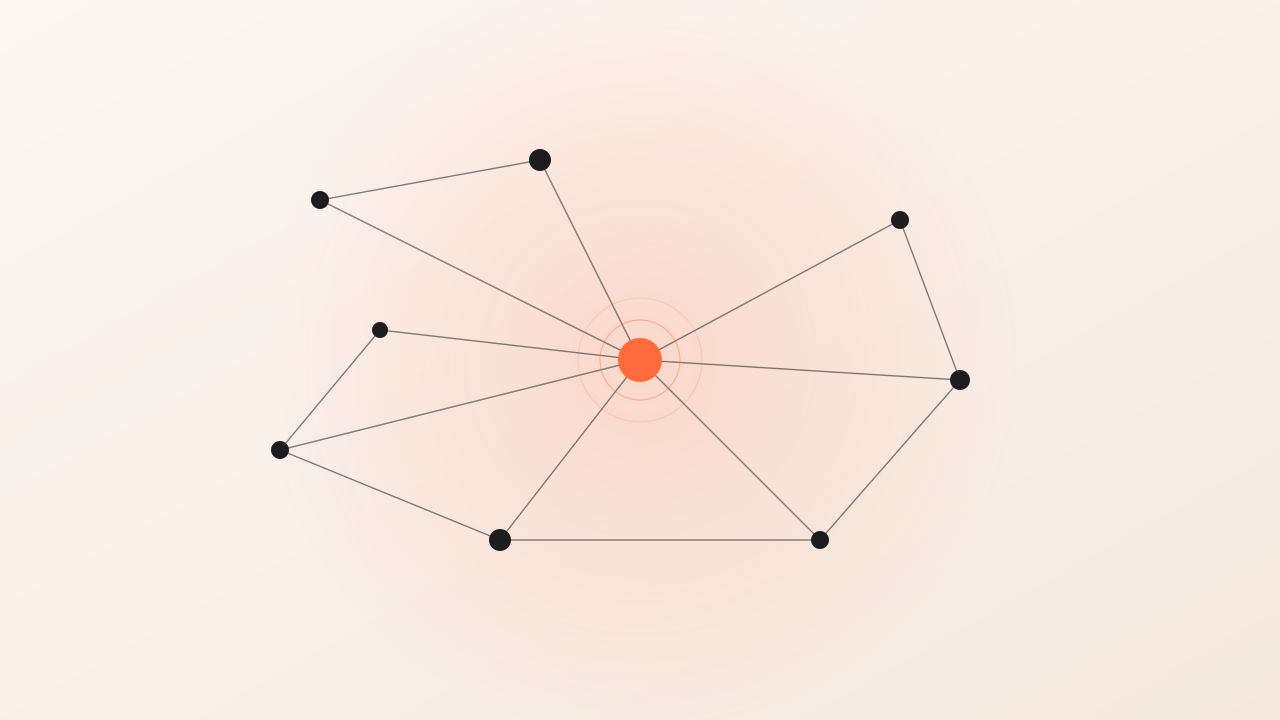
What is org memory? (And why your wiki isn't one)
Wikis are how things work now. Enterprise search retrieves documents. Org memory is the layer underneath both, the sum of every captured artefact your team has produced, connected so you can ask questions of it.